Your Body Clock Cannot Read a Clock
In July the US House voted to put the country on daylight saving time for good. The sleep researchers want the opposite setting, and their reason holds whatever the Senate decides.
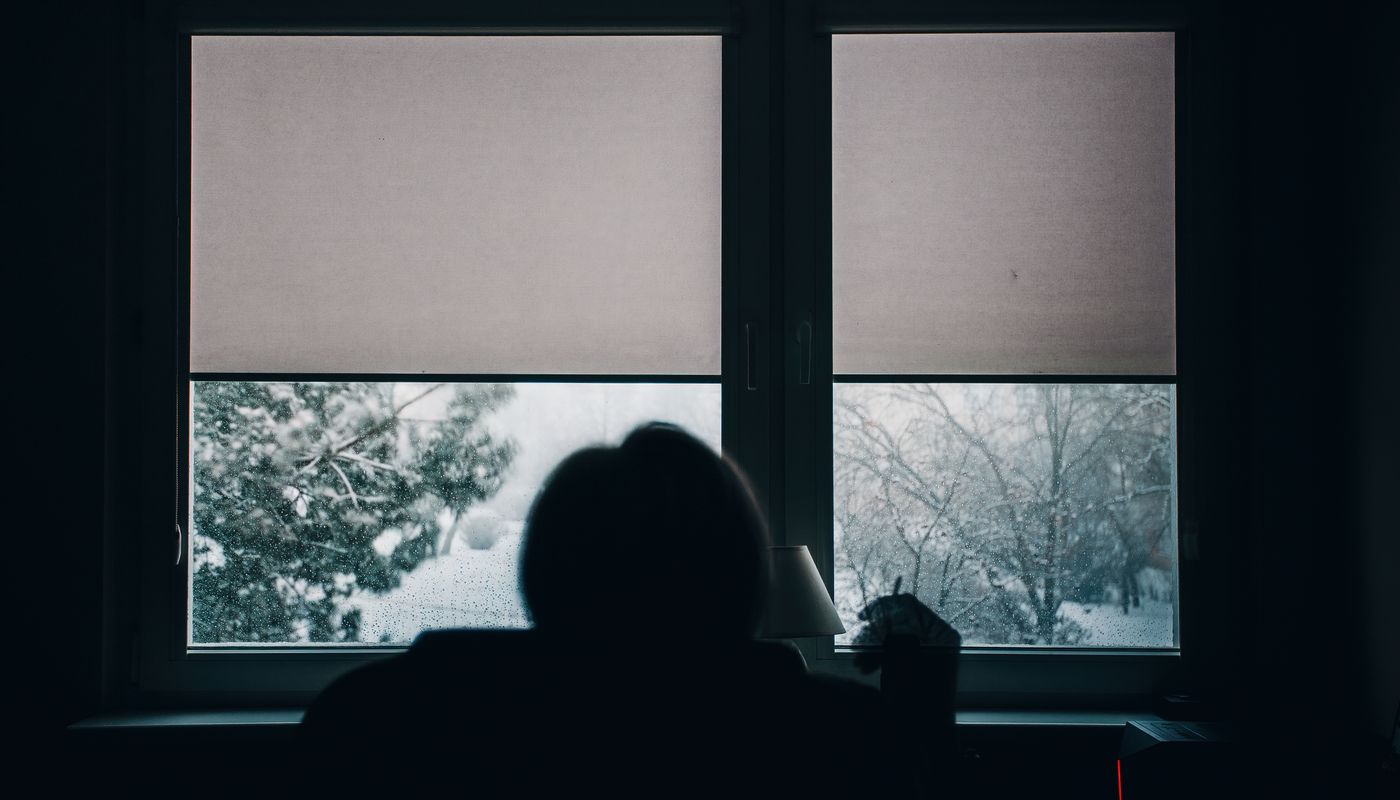
Look up what time the sun rises where you live on the second of January. Then add an hour to it, and picture the walk to the station in that.
In July the US House of Representatives voted, 308 to 117, to stop changing the clocks and leave the country on daylight saving time permanently. The bill has gone to the Senate, where its prospects are uncertain, and where at least one senator has objected on exactly those grounds — that in parts of the country permanent daylight saving would push midwinter sunrise past nine in the morning.
The vote was popular, and the popularity is easy to understand. Nobody enjoys the twice-yearly change, and the case that the transitions themselves do harm is reasonably well made. But look at what is actually being chosen. The choice is not between changing the clocks and leaving them alone; both permanent options end the change. It is a choice between two permanent settings, and the sleep researchers — who agree entirely about abolishing the switch — want the other one.
The American Academy of Sleep Medicine has argued for permanent standard time since 2023. The British Sleep Society made the same case for the UK in a position statement backed by the Irish Sleep Society, the British Paediatric Sleep Society and the Sleep Charity among others: abolish the change, and go back to Greenwich Mean Time all year. Their reasoning has nothing to do with the number on the clock.
Whatever the display says, the body is taking its instructions from the sky. No vote has ever moved the sunrise.
What is doing the setting
The internal clock runs a little long and needs correcting daily. The correction arrives through the eyes, and it arrives mostly in the morning. Light early pulls the whole system earlier, which is what makes you tired at a sensible hour that night. Light late does the reverse.
Permanent daylight saving does not create daylight. It moves an hour of it from the morning to the evening. In June this costs nothing, because there is more than enough at both ends. In January, at any northern latitude, the morning hour is the one you cannot spare — it is the difference between waking into light and waking into darkness, and waking into darkness is a body that has not yet been told the day has started.
This is the part worth holding on to even if the bill dies in the Senate, which it may. Sleep is the one area of self-improvement almost everyone still treats as pure character. If I were more disciplined I would go to bed earlier. But the going to bed is downstream. Whether you are genuinely tired at eleven depends a great deal on what your eyes saw at eight that morning, and eight that morning is not a matter of willpower at all.
The case for evening light is not silly, and it should be said plainly. An extra usable hour after work is worth something real — for sport, for trade, for children walking home, for everyone whose life happens after five rather than before nine. Those are genuine goods. They are simply about something other than sleep, and the two arguments have been talking past each other for fifty years. Nor does any individual's life turn on an hour. This is a small nudge applied to a whole population, which is the kind of effect that is enormous in aggregate and very nearly invisible inside any single life, including yours.
The part that is still yours
Get outside in the first hour after waking. That is most of it, and it costs nothing.
The difference is larger than it feels. Outdoors on a grey, unpromising morning is far brighter than a well-lit room, and it is not close — the eye compensates so smoothly that indoors and outdoors seem comparable when they are nothing of the kind. Ten minutes will do. It works best attached to something you were doing anyway: the bins, the shop, the first part of the walk, the coffee taken standing outside the back door rather than at the table. Not a protocol. A placement.
And if the law does change, none of that changes either. It becomes harder in January and it matters more, which is an unsatisfying thing to be told and happens to be true.
There is a smaller consolation in it too. If you live somewhere the sun comes up at nine, some winters you will be tired and it will not be a failure of character. That is worth knowing on its own, whatever the clock ends up saying.