The Dog Is the Only Habit That Barks at You
Every system ever sold tries to manufacture accountability out of streaks, apps and promises to yourself. A dog supplies it as a side effect of being alive — which is both the argument and the warning.
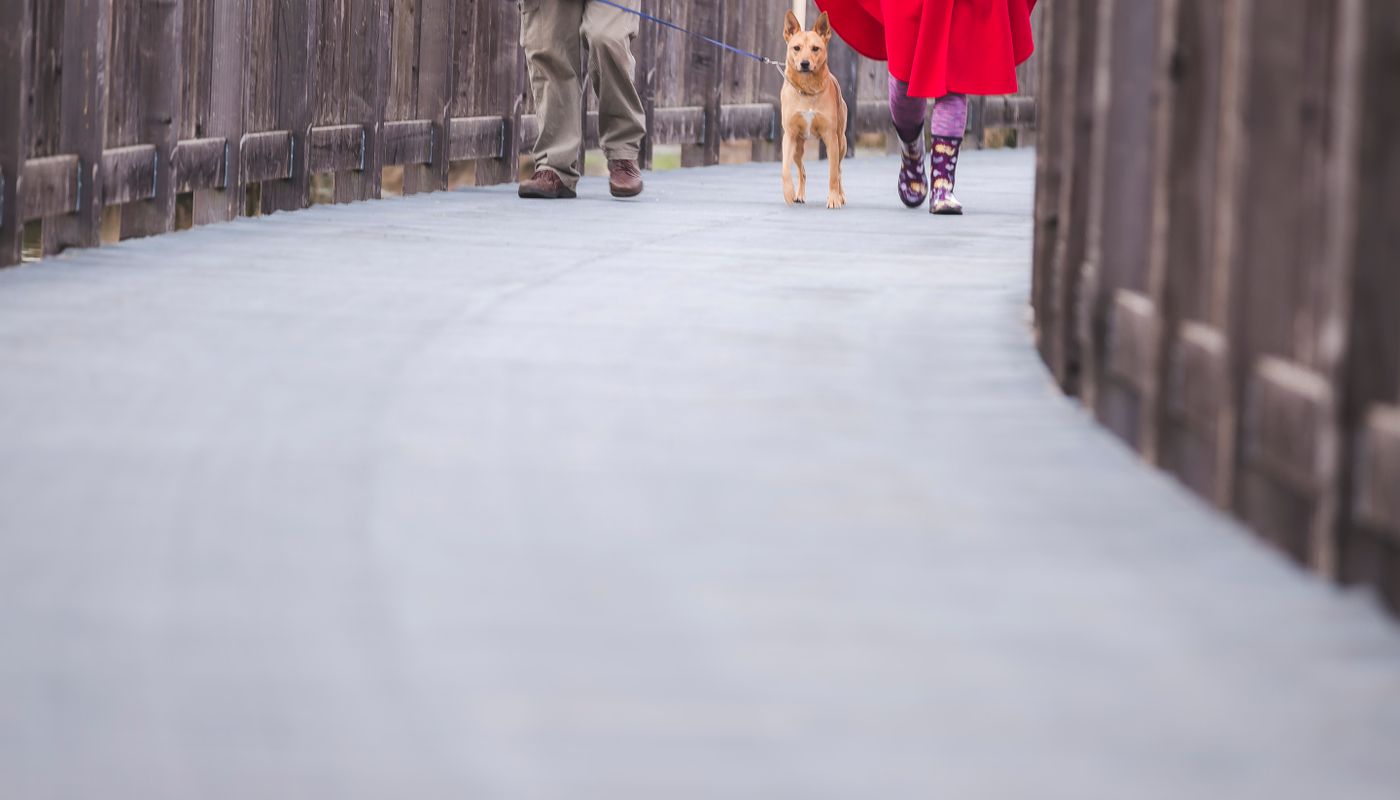
It is twenty to seven, it is raining in the particular half-hearted way that makes an umbrella feel like an overreaction, and there is a dog sitting by the door looking at me. Not barking yet. Just looking, with the terrible patience of an animal who knows how this ends.
I go. I always go. I have never once, in four years, successfully negotiated my way out of this, and I have tried — with the weather, with a deadline, with a genuinely persuasive argument about how one missed morning cannot possibly matter. The dog does not engage with the argument. The dog has no position on the argument. The dog simply continues to exist by the door, and eventually I put my shoes on.
Every habit system on the shelf is trying to manufacture, out of streaks and apps and promises to yourself, the thing a dog produces as a by-product of being alive.
Why it works when the app does not
The productivity shelf has spent forty years trying to solve accountability. Streaks, chains, commitment contracts, apps that donate to a political party you despise if you skip a session. All of them share a design flaw: you are both the enforcer and the person being enforced, and you know it. The streak breaks when you decide it breaks. The app gets deleted by the same thumb that installed it.
A dog removes you from that loop entirely, and it does so along three axes at once.
The obligation is external. You are not letting yourself down, which you have extensive practice at surviving. You are letting down something that has no other options and does not understand the concept of a rain check.
The consequence is immediate and physical. Not an abstraction about your future self in eight months. A specific animal, in the room, now, becoming steadily more emphatic.
It cannot be renegotiated, because the other party does not speak. Half the failure of self-imposed rules happens in the internal conversation about whether the rule really applies today. There is no conversation to have. The dog is not listening to your reasoning; the dog is watching the door.
That third one is the whole mechanism. As I have written here before, discipline is mostly the absence of a daily negotiation. A dog doesn't give you discipline. It removes the negotiation, which turns out to be the same thing from the outside.
The part where I talk you out of it
Now the warning, because an article like this in a publication like this could easily be read as a recommendation, and it is not one.
Do not get a dog to fix your routine. It is a ten-to-fifteen-year commitment to a living creature, entered into for the purpose of making your mornings more structured. That is a poor trade for you and a considerably worse one for the animal. Dogs are expensive, restricting, occasionally heartbreaking, and entirely indifferent to your productivity goals. The routine is a side effect. Side effects are not reasons.
If you already have one, though, notice what it is doing. Most people with dogs do not realise they have the most reliable behavioural system in the house, and would benefit from copying its architecture elsewhere.
What actually transfers
The transferable principle is not acquire a dependent. It is: externalise the obligation to something that will not accept your excuses.
A training partner who is already at the pool. A standing appointment with a person who will notice the absence. A class you have paid for and will be asked about. A weekly call your friend expects. What these share with the dog is that skipping requires an act of communication — you have to tell someone — and having to say it out loud is a far higher bar than quietly deciding not to.
Compare that with the app, which lets you fail privately and silently and then offers to help you start a fresh streak tomorrow.
The maintenance nobody mentions
One honest footnote, since we are being practical. The dog-as-routine story is always told as walks at dawn and companionship, and never as the recurring administrative tail: worming, boosters, the vet bill that arrives at the worst possible moment, and the flea and tick treatment that has to be reapplied on a schedule you will absolutely forget without a reminder.
That last one is worth putting in the same calendar as everything else in this article, because an infestation is far more disruptive to a household routine than any missed morning. Products vary by region and some are prescription-only depending on where you live — this is a conversation with your vet, not with a journal about habits. We are not qualified to tell you what to put on your animal, and we are not going to pretend otherwise.
But the general point stands, and it is the same point as the rest of this piece. The system that gets you out of the door at twenty to seven has a maintenance layer. Systems that go unmaintained stop being systems, and the dog will still be by the door either way.
Mentioned in this story
Some links on this page are affiliate links. If you buy through them, Daily Hem may earn a commission at no extra cost to you. Commission never determines what we cover, or what we say about it.
-
View at retailerBestVetCare
Flea and tick treatment for dogs
The recurring maintenance nobody mentions when they tell you a dog will change your life. Check prescription requirements where you live, and ask your vet before switching products.
Prices and availability are set by the retailer and change without notice. We link to tools, not to solutions.