The People You Do Not Count
Loneliness keeps rising among people who have friends, which sounds like a contradiction until you notice what actually went missing. It was never friendship. It was everyone else.
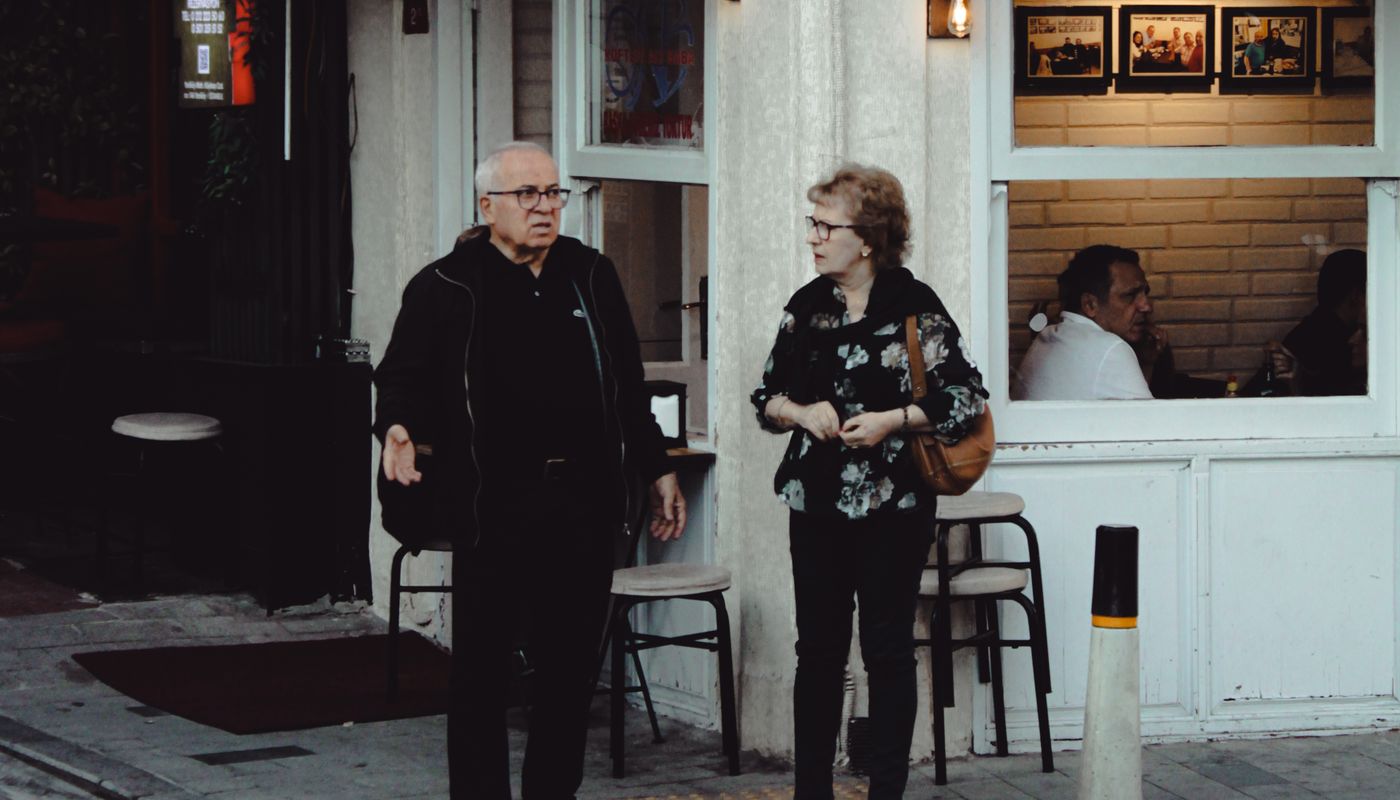
The surveys keep finding more of it, and the shape of the finding is the strange part. A great many of the people reporting loneliness are not isolated in any way you could point at. They have friends. They see them. They would pass any reasonable test for a person with a social life, and they still describe the week as lonely.
The standard response is to prescribe more friendship — reach out, make plans, join something. Reasonable advice, and slow, and quietly exhausting, because making a genuine friend in adulthood takes months and most people asking for help do not have a friendship deficit.
They have a different deficit, and it does not have a good name, because the people involved are the ones you have never counted.
An ordinary week used to include thirty small exchanges with people you would never have described as being in your life. Nobody misses any one of them. Everybody feels the absence of all of them.
The contact nobody logs
The man in the shop who knows you take the paper. The colleague from a team you do not work with, met by the kettle. The neighbour whose name you are not certain of, on the step, about the bins. The person at the counter who says something about the weather. The regular at the same class who nods.
None of these are friends. That is precisely the point. Each exchange is trivial, lasts under a minute, and carries no obligation in either direction. They are not substitutes for anybody close, and losing them costs you nothing you can identify — which is why an entire category of human contact could be removed from ordinary life without generating a single complaint.
But it has been removed, and not by anyone's decision. Self-checkout took the shop. Delivery took the errand. Remote work took the kettle and the corridor. Headphones took the walk, and the phone took the queue, which was the last place left where two strangers might have said anything at all. Every one of those was an improvement on its own terms. Nobody wants the queue back for its own sake.
What they were doing, collectively, was providing the low-grade evidence that you exist in a place among people. Not intimacy. Something more like ambient membership — the sense of being a recognised feature of somewhere, which turns out to be a separate need from being loved, and one that close friendship cannot supply on its own.
This is why the advice misfires. You can have four good friends, see them monthly, and still spend most of your hours moving through the world entirely unregistered by it.
Cheaper to rebuild
The consolation is that this deficit is far easier to address than the friendship one, because there is no vulnerability involved and nothing to schedule.
Go to the same place at the same time. That is most of it. The same café on the same morning, the same class on the same evening, the same route with the same dog at the same hour. Recognition is a function of repetition and almost nothing else. Six weeks of turning up at the same time converts a room full of strangers into a room with several familiar faces in it, and the conversion happens whether or not you are any good at talking to people.
Then take the slower option occasionally. The staffed till rather than the machine. Collecting the thing rather than having it brought. Walking the errand rather than tapping it. Each choice costs a few minutes and buys back one of the exchanges that used to come free.
And leave one ear out. Most of these moments are available only to someone who looks available, and headphones are a closed door that you are not aware of holding shut.
None of this will feel like it is working, because none of it feels like anything. That is the nature of the category — it was invisible while you had it, and it will be invisible when it comes back. The only signal is retrospective: some week in the autumn, walking home, you notice you have spoken to four people whose names you do not know, and that the place feels less like a corridor.
That is the whole of it. Not more friends. More faces.